
The catalog/Species
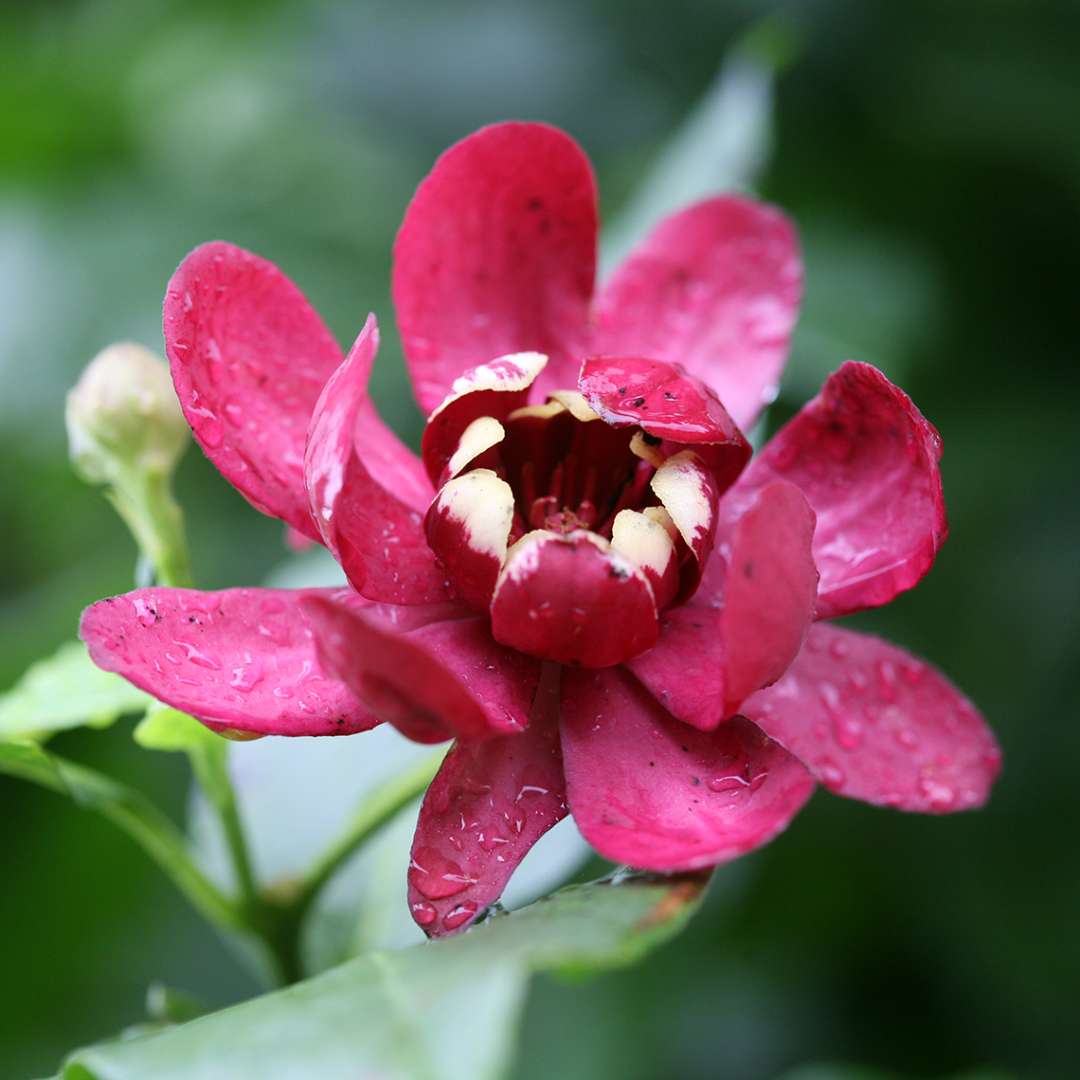
Calycanthus spp.
Genus-level entry. These cultivars are recorded under Calycanthus with no species — typically inter-species hybrids or supplier listings without an extracted species name.
Cultivars

‘Aphrodite’
Calycanthus 'Aphrodite'
Are you looking for something special to set you apart from the competition? Add 'Aphrodite' calycanthus to your plant palette. This fast-growing, easy-care sweetshrub is a stand-out plant in any garden or landscape. Very large, showy flowers resemble red magnolias, appearing amid glossy, tropical-looking foliage for months every summer, many times lasting into fall. The abundant ‘Aphrodite’ sweetshrub blooms really pop in cut flower arrangements. Its flowers are fragrant, though the scent is highly subjective - ask around your staff and see what everyone smells! A beautiful, carefree plant for large spaces developed by Dr. Tom Ranney at NCSU. ‘Aphrodite’ is fast to produce and always in demand.
Red Zeppelin
Calycanthus 'PRNCFS'
With its glossy burgundy-red foliage, Red Zeppelin sweetshrub ( Calycanthus floridus var. purpureus ) will rock your world! The color of the foliage lasts all season and is accompanied by lightly fragrant orange-red flowers in late spring and early summer. Not only is it adaptable and easy to grow in the landscape, but our many years of trialing indicate it’s easy to grow in production, too. This selection of our North American native species was developed by the folks at Pleasant Run Nursery in Allentown, New Jersey.
Simply Scentsational
Calycanthus 'SMNCAF'
As soon as you come near Simply Scentsational calycanthus, your nose knows: this is something special. It is the calycanthus that actually lives up to - maybe even exceeds - the oft-described (but seldom smelled!) hints of pineapple and bubblegum in the fragrance. Selected and refined over an 18 year period by Spring Meadow's Tim Wood, the blooms of this North American native are an intriguing deep maroon and appear in abundance through late spring and summer. The blooms are powerfully fragrant, even when they are wilted - you've really just got to smell it for yourself.