
The catalog/Species
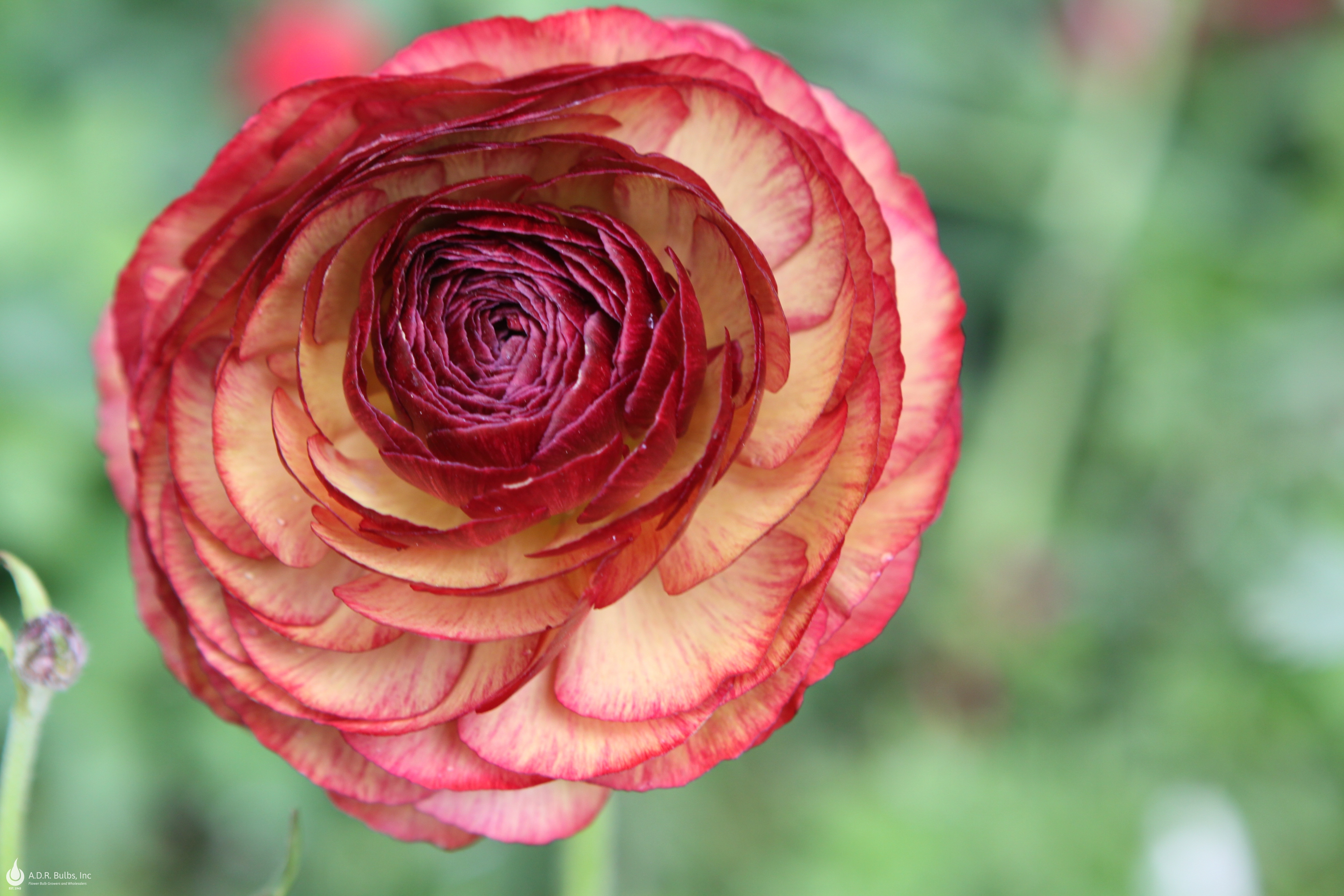
Ranunculus spp.
Genus-level entry. These cultivars are recorded under Ranunculus with no species — typically inter-species hybrids or supplier listings without an extracted species name.
Cultivars

'Caffe'
Ranunculus
Ranunculus 'Tecolote Café' is a fall-planted Persian buttercup, producing large, rose-like blooms in shades of gold, terracotta, and bronze, with multiple layers of silky petals and darker centers. These flowers appear in early spring in Zones 8–11, while in Zones 4–7, they should be planted in early spring for summer blooms.
'Flamenco'
Ranunculus
Ranunculus 'Tecolote Flamenco' is a fall-planted Persian buttercup, producing large, multi-layered blooms in vibrant shades of yellow and red, with petals that deepen in tone as they mature. These flowers appear in early spring in Zones 8–11, while in Zones 4–7, they should be planted in early spring for summer blooms.
'Gold'
Ranunculus
Ranunculus 'Tecolote Gold' is a fall-planted Persian buttercup, producing large, multi-layered blooms in a rich golden-yellow hue. These flowers appear in early spring in Zones 8–11, while in Zones 4–7, they should be planted in early spring for summer blooms.
'Merlot'
Ranunculus
Ranunculus 'Tecolote Merlot' is a fall-planted Persian buttercup, producing large, multi-layered blooms in deep wine-red to raspberry tones, with silky petals that resemble a peony. These flowers appear in early spring in Zones 8–11, while in Zones 4–7, they should be planted in early spring for summer blooms.
'Mixture'
Ranunculus
Ranunculus 'Aviv Mix' is a vibrant blend of Persian Buttercups featuring densely layered, rose-like blooms in shades of red, pink, white, yellow, and orange. These flowers are prized for their long-lasting beauty, making them ideal for cut arrangements, containers, and garden borders. Blooming in spring or summer, depending on planting time, this variety thrives in full sun with well-drained soil and requires consistent moisture during the growing season. Hardy in USDA zones 8 to 11, it can be grown as an annual in colder climates, with tubers lifted and stored for winter. The long, sturdy stems ensure excellent performance in floral displays. Zones 8-11 plant in fall for early spring flowers. Zones 4-7 plant in early spring for summer flowers.
'Orange'
Ranunculus
Ranunculus 'Aviv Picotee Orange' is a fall-planted Persian buttercup, producing multi-layered blooms in shades of orange, yellow, and red, with picotee edges that deepen in tone. These flowers appear in early spring in Zones 8–11, while in Zones 4–7, they should be planted in early spring for summer blooms.
'Pastel Mixture'
Ranunculus
Ranunculus 'Tecolote Pastel Mix' features lush, multi-layered blooms in a soft, watercolor-like palette. Shades of blush pink, peach, creamy white, and warm apricot swirl together, creating an ethereal display that feels both delicate and vibrant.
'Picotee Mixture'
Ranunculus
Ranunculus 'Tecolote Picotee Mix' dazzles with multi-layered blooms in a kaleidoscope of colors, each petal edged with a contrasting hue that deepens in tone. From creamy white with rosy pink margins to golden yellow brushed with fiery red, every flower is a unique work of art. The intricate picotee effect creates a luminous, hand-painted look, making this variety a standout in gardens and floral arrangements alike.
'Pink'
Ranunculus
Ranunculus 'Aviv Picotee Pink' is a fall-planted Persian buttercup, producing large, multi-layered blooms in a blend of snowy white, pale pink, and rose, with picotee edges that deepen in tone as the flowers mature. These blooms appear in early spring in Zones 8–11, while in Zones 4–7, they should be planted in early spring for summer flowers.
'Purple'
Ranunculus
Ranunculus 'Tecolote Purple' is a fall-planted Persian buttercup, producing large, rose-like blooms in a rich, bright purple hue, with multiple layers of silky petals and darker centers. These flowers appear in early spring in Zones 8–11, while in Zones 4–7, they should be planted in early spring for summer blooms.
'Rainbow Mixture'
Ranunculus
Ranunculus 'Tecolote Rainbow Mix' bursts into bloom with lush, multi-layered flowers in a dazzling spectrum of colors. From fiery reds and oranges to soft pinks, sunny yellows, and crisp whites, this mix showcases the full brilliance of Persian buttercups. Each bloom features silky, ruffled petals, creating a rich, textural display that feels both elegant and cheerful.
'Red'
Ranunculus
Ranunculus 'Tecolote Red' is a fall-planted Persian buttercup, producing large, multi-layered blooms in a rich, velvety red hue. These flowers appear in early spring in Zones 8–11, while in Zones 4–7, they should be planted in early spring for summer blooms.
'Rose'
Ranunculus
Ranunculus 'Aviv Rose' is a fall-planted Persian buttercup, producing large, multi-layered blooms in a soft, rosy pink hue. These flowers appear in early spring in Zones 8–11, while in Zones 4–7, they should be planted in early spring for summer blooms.
'Rose'
Ranunculus
Ranunculus 'Tecolote Rose' is a fall-planted Persian buttercup, producing large, multi-layered blooms in a bright rosy-red hue. These flowers appear in early spring in Zones 8–11, while in Zones 4–7, they should be planted in early spring for summer blooms.
'Sunset'
Ranunculus
Ranunculus 'Tecolote Sunset' is a fall-planted Persian buttercup, producing large, rose-like blooms in a luminous orange hue, with multiple layers of silky petals and darker centers. These flowers appear in early spring in Zones 8–11, while in Zones 4–7, they should be planted in early spring for summer blooms.
'White'
Ranunculus
Ranunculus 'Tecolote White' is a fall-planted Persian buttercup, producing large, multi-layered blooms in pure white, with silky petals that resemble a peony. These flowers appear in early spring in Zones 8–11, while in Zones 4–7, they should be planted in early spring for summer blooms.
'Yellow'
Ranunculus
Ranunculus 'Tecolote Yellow' is a fall-planted Persian buttercup, producing large, multi-layered blooms in a brilliant golden-yellow hue. These flowers appear in early spring in Zones 8–11, while in Zones 4–7, they should be planted in early spring for summer blooms.